
 By
By 
Modern life in Singapore is fast-paced, highly competitive, and often stressful. Between work pressures, digital overload, and the constant push for achievement, maintaining mental well-being has become just as important as physical health. This shift explains why many Singaporeans are turning to their local fitness gym Singapore not only for body transformation but also for emotional balance and mental clarity. Exercise has quietly evolved from being a physical pursuit into a form of therapy — a daily ritual that helps people manage stress, anxiety, and mood fluctuations.
The Science Behind Exercise and Mental Health
Exercise stimulates the release of endorphins, dopamine, and serotonin, often referred to as the “happy hormones.” These natural chemicals act as mood elevators and stress reducers. When the body engages in sustained physical activity, the nervous system stabilises, sleep quality improves, and anxiety symptoms lessen.
In Singapore’s urban lifestyle, where many individuals spend hours in front of screens and under fluorescent lighting, gym workouts offer an essential physical outlet. The repetitive movement, rhythm, and focus on breathing help regulate the mind in much the same way meditation does.
Key mental health benefits of regular fitness routines include:
-
Reduced stress and improved mood regulation
-
Enhanced focus and productivity during the workday
-
Better sleep patterns and deeper rest
-
Lower levels of cortisol (the stress hormone)
-
Stronger resilience against burnout
These benefits show why gyms have become more than places to build muscle — they have become sanctuaries for emotional recovery.
Why Singaporeans Are Turning to the Gym for Stress Relief
Urban life in Singapore is both exciting and exhausting. The long commutes, high work expectations, and constant digital connectivity create a pressure-filled environment. For many residents, the gym provides one of the few spaces where they can disconnect, breathe deeply, and focus on themselves without distractions.
Singapore’s fitness community also plays a role in mental health promotion. Trainers and fitness experts emphasise not only performance metrics but also self-care, mindfulness, and holistic well-being. Many gyms now offer classes like yoga, mobility training, and mindfulness-based fitness sessions to complement high-intensity workouts.
The Role of Routine in Building Emotional Stability
Psychologists often highlight the importance of structure and consistency in maintaining good mental health. Gym training provides both. Establishing a workout schedule creates predictability in a person’s day, reinforcing a sense of control and progress.
A consistent routine helps:
-
Build discipline and focus
-
Provide measurable achievement through fitness milestones
-
Create mental separation between work and personal time
-
Reinforce self-worth and confidence
This sense of control is vital in a city where unpredictability in work and lifestyle can easily lead to emotional fatigue.
The Mind-Muscle Connection: Training with Awareness
The concept of the “mind-muscle connection” is central to both performance and psychological wellness. It refers to consciously engaging specific muscles during training to improve both efficiency and mindfulness.
When performed intentionally, exercises like weightlifting, Pilates, or bodyweight training can act as moving meditations. The focus on breath control, alignment, and slow, deliberate motion helps individuals stay present. This presence counters overthinking and mental noise — a problem many professionals struggle with after long workdays.
Group Workouts and the Power of Community
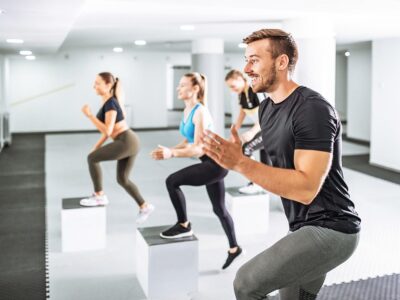
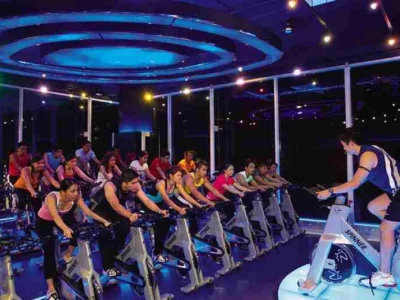
Isolation can amplify stress, and this is where group fitness plays a powerful role. Working out alongside others fosters connection, accountability, and motivation. Humans are inherently social, and group classes help create a sense of belonging that reduces loneliness and anxiety.
Group training sessions in Singapore often include:
-
HIIT and circuit programs that encourage team spirit
-
Yoga and meditation classes promoting mindfulness
-
Small-group strength or mobility sessions fostering mutual support
-
Fitness challenges that motivate members to progress together
This shared energy builds emotional resilience while adding fun and social interaction to fitness routines.
The Role of Gym Design in Mental Comfort
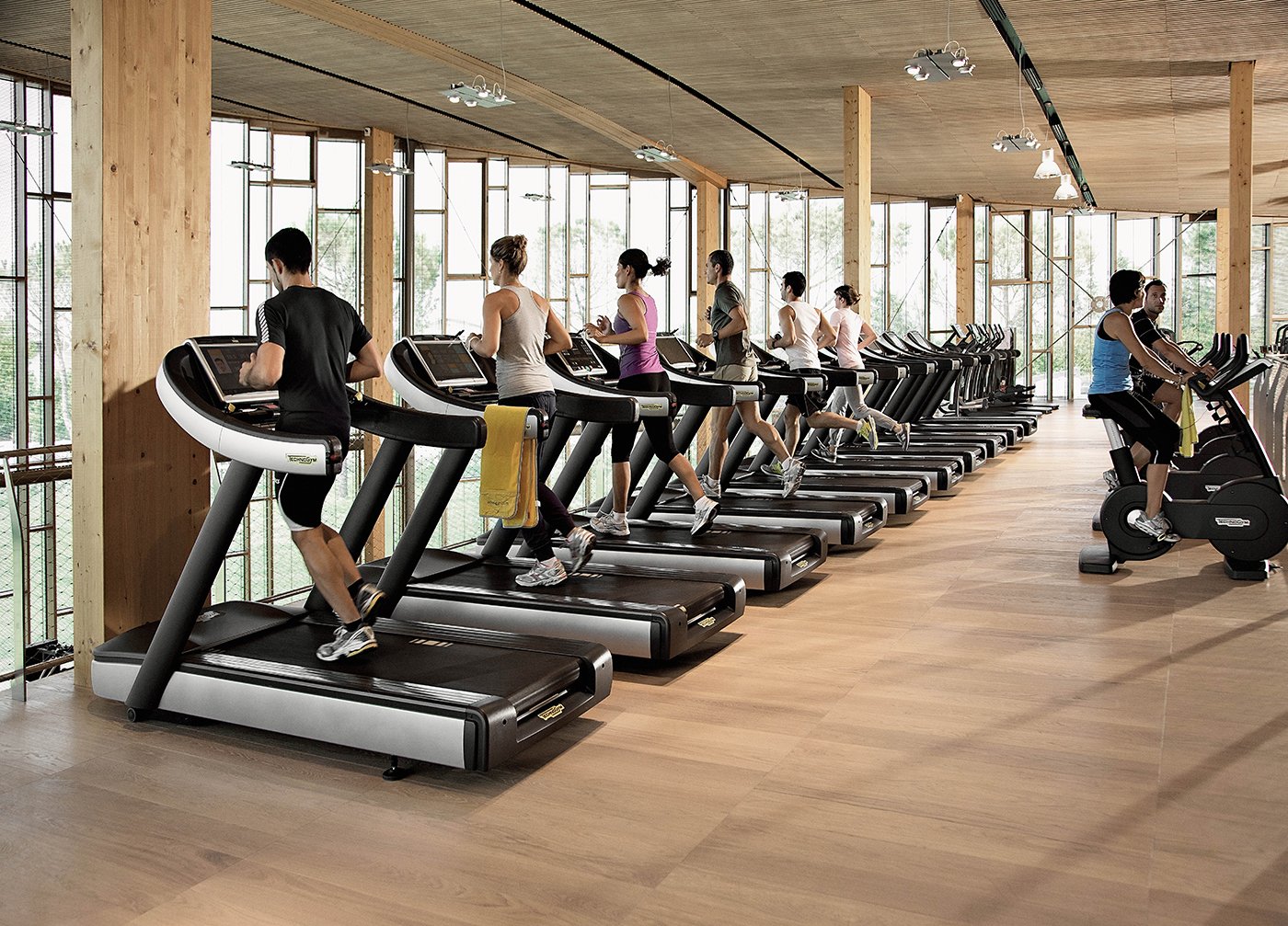
Modern gym design in Singapore now considers psychological well-being alongside physical performance. Bright, open spaces, calming lighting, music curation, and natural ventilation are carefully chosen to create relaxing atmospheres.
Well-designed gyms often feature:
-
Soothing colour schemes to reduce overstimulation
-
Music tuned to promote focus and energy flow
-
Quiet recovery corners for stretching and mindfulness
-
Spacious layouts to prevent feelings of crowding or stress
Such environments help members feel calm and motivated, turning gym visits into refreshing escapes rather than obligations.
Exercise as a Coping Strategy for Workplace Burnout
Work-related stress is one of the leading contributors to mental health challenges in Singapore. The Ministry of Manpower and health experts have highlighted rising burnout levels among professionals. Regular exercise is increasingly recognised as a sustainable coping mechanism.
Gym workouts reduce the physiological impact of stress by balancing adrenaline and cortisol levels. Employees who train regularly report better focus, sharper decision-making, and lower emotional exhaustion. This link has prompted many companies to include gym memberships or on-site fitness programs as part of corporate wellness initiatives.
Mindful Fitness: Combining Physical and Emotional Training
Mindful fitness is an emerging trend that combines movement with mental awareness. It goes beyond counting reps or calories to focus on internal sensations, posture, and breathing. This hybrid approach is gaining traction in Singapore because it integrates both the physical and emotional benefits of exercise.
Mindful gym practices include:
-
Controlled breathing techniques during weightlifting or yoga
-
Focusing on alignment and form rather than just repetitions
-
Using music and rhythm to enhance focus
-
Reflective cooldown sessions that improve emotional grounding
The result is a workout that strengthens both the body and the mind.
Nutrition, Mood, and Fitness Synergy
Physical exercise alone is not enough to achieve mental balance. Nutrition plays a crucial role in supporting brain health. Trainers in Singapore increasingly promote diet plans that nourish both the body and the mind.
Some gym nutrition strategies for better mental wellness include:
-
Incorporating omega-3 fats and complex carbohydrates to support serotonin production
-
Staying hydrated to prevent fatigue and irritability
-
Avoiding high-sugar snacks that lead to mood crashes
-
Eating light post-workout meals for stable energy levels
This balanced approach ensures that fitness efforts translate into consistent emotional well-being.
The Link Between Physical Progress and Confidence
One of the most empowering effects of gym training is the visible progress it brings. Seeing physical improvements like increased strength, better posture, and improved stamina reinforces confidence and self-image. For many, this self-assurance spills into other aspects of life — work, relationships, and decision-making.
Gyms that provide supportive trainers and community encouragement further strengthen this effect, helping individuals transform fitness into personal empowerment.
Integrating Gym Therapy into Daily Life
To sustain mental health gains from fitness, consistency is essential. The best approach involves integrating gym sessions into the weekly schedule without viewing them as optional or secondary. A moderate training frequency of three to five sessions per week is sufficient to maintain both physical and emotional equilibrium.
Pairing workouts with complementary habits like meditation, nature walks, or journaling enhances their mental health impact. Together, these routines form a powerful shield against daily stressors.
The Role of True Fitness Singapore in Supporting Holistic Wellness
In today’s wellness landscape, True Fitness Singapore stands out for promoting a holistic balance between body and mind. Its focus on structured training, personalised guidance, and community-based programs demonstrates how fitness can be both physical and psychological therapy. By offering versatile training options and wellness-driven environments, it provides members with a space to strengthen not only their muscles but also their emotional resilience.
FAQs
Q1. How often should I exercise to improve my mental health?
Regular sessions three to five times per week are ideal. Even 30 minutes of moderate activity can enhance mood and reduce stress.
Q2. What types of workouts are best for relieving stress?
Cardio, yoga, strength training, and mindfulness-based classes all help lower anxiety and boost mood. Choose routines you genuinely enjoy for consistency.
Q3. Does working out late at night affect sleep quality?
Intense workouts close to bedtime can sometimes raise heart rate and delay sleep, so it’s best to train earlier in the evening.
Q4. Can gym workouts replace therapy or counselling?
Exercise supports mental health but should not replace professional therapy. It works best as a complementary strategy alongside proper care.
Q5. How does exercise help with focus at work?
Physical activity increases oxygen flow to the brain, improving concentration, creativity, and decision-making skills.
Q6. What’s the connection between nutrition and mood?
A diet rich in whole foods, omega-3s, and complex carbohydrates supports neurotransmitter balance, helping maintain emotional stability.
Q7. Why are gyms considered safe spaces for stress relief?
They provide structured routines, supportive communities, and dedicated environments that encourage mindfulness and personal growth.









Comments