
 By
By 
Fitness plays a vital role in maintaining overall health and improving quality of life. In today’s fast-paced world, many people struggle with stress, poor eating habits, and a lack of physical activity. As a result, health problems such as obesity, heart disease, diabetes, and fatigue have become increasingly common. Fitness is not only about physical appearance. It is about building strength, improving endurance, supporting mental health, and creating long-term wellness.
A fit lifestyle helps people feel more energetic, confident, and productive. Whether someone chooses running, weight training, yoga, swimming, or home workouts, staying active can lead to significant improvements in both physical and mental well-being. Fitness is a lifelong commitment that benefits people of all ages.
What Is Fitness?
Fitness refers to the body’s ability to perform physical activities efficiently and effectively. A fit person can complete daily tasks with energy while maintaining enough strength and endurance for recreational activities and unexpected physical demands.
Fitness includes several important components:
- Cardiovascular endurance
- Muscular strength
- Muscular endurance
- Flexibility
- Body composition
- Balance and coordination
True fitness is achieved when these components work together to support a healthy and active lifestyle.
The Importance of Physical Fitness
Maintaining fitness is essential for overall health. Regular exercise and healthy habits improve the body’s performance and reduce the risk of disease.
Improves Heart Health
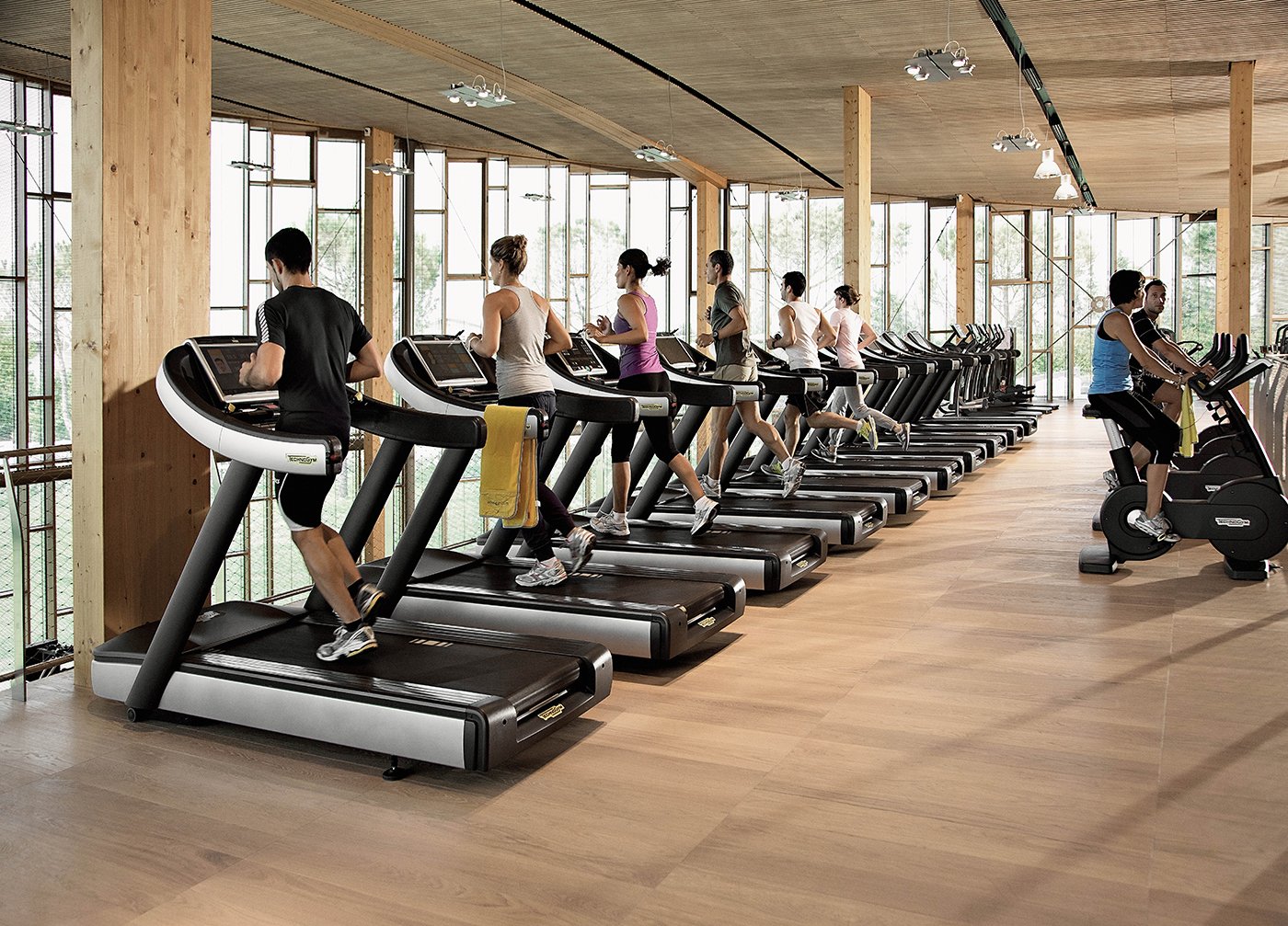
Cardiovascular exercise strengthens the heart and improves blood circulation. Activities such as walking, cycling, swimming, and jogging help lower blood pressure and reduce the risk of heart disease.
A healthy heart allows oxygen and nutrients to move more efficiently throughout the body, improving overall function and energy levels.
Supports Healthy Weight Management
Fitness helps the body burn calories and maintain a healthy weight. Exercise increases metabolism, builds muscle, and improves fat-burning efficiency.
People who combine regular exercise with balanced nutrition are more likely to achieve long-term weight management success.
Strengthens Muscles and Bones
Strength training exercises increase muscle mass and improve bone density. Strong muscles support better posture, movement, and joint protection.
Bone-strengthening exercises are especially important as people age because they reduce the risk of osteoporosis and fractures.
Enhances Energy Levels
Many people believe exercise causes fatigue, but regular physical activity actually improves energy over time. Better circulation and oxygen delivery help the body perform daily tasks more efficiently.
Physically active individuals often experience improved stamina and reduced tiredness throughout the day.
Improves Mental Health
Fitness has a direct connection to mental and emotional well-being. Exercise stimulates the release of endorphins, which help improve mood and reduce stress.
Regular physical activity can help manage:
- Anxiety
- Depression
- Stress
- Mood swings
- Mental fatigue
Exercise also promotes relaxation and emotional balance.
Different Types of Fitness Training
A complete fitness routine includes various forms of exercise that target different areas of health and performance.
Cardiovascular Training
Cardio exercises improve heart and lung function while increasing endurance.
Popular cardio activities include:
- Running
- Walking
- Cycling
- Rowing
- Swimming
- Dancing
- Jump rope
Cardio workouts are effective for calorie burning and improving overall stamina.
Strength Training
Strength training focuses on developing muscle power and endurance through resistance exercises.
Examples include:
- Squats
- Push-ups
- Pull-ups
- Deadlifts
- Bench press
- Lunges
- Resistance band exercises
Building muscle supports metabolism and helps maintain physical strength.
Flexibility Training
Flexibility exercises improve joint mobility and muscle elasticity. Stretching helps reduce stiffness and improve movement quality.
Common flexibility activities include:
- Yoga
- Dynamic stretching
- Static stretching
- Pilates
Good flexibility lowers the risk of injuries and improves posture.
Functional Fitness
Functional fitness focuses on exercises that improve everyday movement patterns. These workouts help individuals perform daily activities more safely and efficiently.
Functional exercises include:
- Kettlebell swings
- Step-ups
- Farmer carries
- Medicine ball exercises
Functional training improves balance, coordination, and core strength.
The Connection Between Fitness and Nutrition
Fitness and nutrition work together to support health and performance. Exercise alone cannot produce optimal results without proper nutrition.
Importance of Balanced Nutrition
A healthy diet provides the body with energy, vitamins, minerals, and nutrients needed for recovery and growth.
Key nutrients include:
- Protein for muscle repair
- Carbohydrates for energy
- Healthy fats for hormone balance
- Fiber for digestion
- Water for hydration
Balanced meals support exercise performance and long-term health.
Hydration and Fitness
Water is essential for physical performance. Dehydration can reduce energy, endurance, and focus during workouts.
Drinking enough water helps:
- Regulate body temperature
- Improve circulation
- Prevent muscle cramps
- Support recovery
Hydration becomes even more important during intense exercise or hot weather.
Benefits of Fitness for Different Age Groups
Fitness is important at every stage of life.
Fitness for Children
Physical activity supports healthy growth and development in children. Active kids often have better coordination, stronger bones, and improved social skills.
Sports and outdoor play also help reduce screen time and encourage healthy habits.
Fitness for Adults
Adults benefit from exercise by improving stress management, maintaining a healthy weight, and reducing the risk of chronic disease.
Busy schedules can make fitness challenging, but even short workouts can produce positive results when done consistently.
Fitness for Older Adults
Older adults can improve mobility, independence, and balance through regular exercise.
Low-impact activities such as walking, swimming, and stretching are excellent choices for seniors.
Exercise also helps reduce age-related muscle loss and joint stiffness.
Common Fitness Mistakes
Many people struggle to achieve fitness goals because of avoidable mistakes.
Skipping Warm-Ups
Warming up prepares muscles and joints for exercise. Starting intense activity without warming up increases injury risk.
A proper warm-up may include light cardio and dynamic stretches.
Overtraining
Exercising too intensely without enough rest can lead to fatigue, muscle soreness, and burnout.
Rest days are necessary for muscle recovery and performance improvement.
Poor Exercise Form
Incorrect technique can cause injuries and reduce workout effectiveness.
Learning proper form from trainers or reliable resources is essential, especially during strength training.
Unrealistic Expectations
Fitness progress takes time. Many people become discouraged when results do not appear immediately.
Setting realistic goals and focusing on consistency helps maintain motivation.
Building a Sustainable Fitness Routine
Creating a long-term fitness routine requires planning and commitment.
Set Clear Goals
Goals provide direction and motivation. Fitness goals should be specific and achievable.
Examples include:
- Exercising four days a week
- Running a 5K race
- Improving flexibility
- Building muscle strength
- Losing body fat
Tracking progress helps maintain focus.
Choose Enjoyable Activities
People are more likely to stay active when they enjoy their workouts.
Some individuals prefer group classes, while others enjoy solo activities such as hiking or cycling.
Experimenting with different workouts can make fitness more enjoyable.
Create a Schedule
Consistency is one of the most important factors in fitness success.
Scheduling workouts like appointments increases accountability and helps build habits.
Focus on Recovery
Recovery is an essential part of fitness. The body needs time to repair muscles and restore energy.
Healthy recovery habits include:
- Sleeping enough
- Stretching regularly
- Eating nutritious meals
- Staying hydrated
- Taking rest days
Recovery improves performance and reduces injury risk.
Mental Discipline and Motivation in Fitness
Staying motivated is often one of the biggest challenges in maintaining fitness.
Develop Healthy Habits
Fitness becomes easier when exercise is part of a daily routine.
Simple habits such as morning walks, stretching, or short home workouts can create lasting consistency.
Track Progress
Monitoring progress helps people stay motivated.
Tracking methods may include:
- Fitness apps
- Workout journals
- Body measurements
- Strength improvements
- Endurance milestones
Small achievements build confidence over time.
Find Social Support
Working out with friends, family, or fitness groups can improve accountability and enjoyment.
Supportive environments often make it easier to stay committed.
Technology and Modern Fitness Trends
Technology has changed the fitness industry significantly.
Fitness apps, wearable devices, and online workout programs make exercise more accessible than ever.
Popular fitness trends include:
- Virtual fitness classes
- Home workout programs
- High-intensity interval training
- Smart fitness tracking
- Personalized coaching apps
These tools help people monitor performance and stay engaged with their goals.
The Long-Term Impact of Fitness
Fitness is not a short-term project. It is a lifelong investment in health and well-being.
Long-term fitness benefits include:
- Better mobility
- Improved confidence
- Reduced medical expenses
- Increased lifespan
- Better emotional health
- Improved independence in older age
Healthy habits developed today can create lasting benefits for future years.
Conclusion
Fitness is one of the most powerful tools for improving physical health, mental strength, and overall quality of life. Regular exercise supports the heart, muscles, bones, and brain while helping reduce stress and prevent disease.
Achieving fitness does not require perfection or extreme workouts. Consistency, balance, and healthy habits are the keys to lasting success. By staying active, eating nutritious foods, and prioritizing recovery, people can enjoy a healthier and more energetic life.
No matter a person’s age or fitness level, it is never too late to begin building a healthier lifestyle through fitness.
FAQ
1. How often should someone exercise each week?
Most adults should aim for at least 150 minutes of moderate exercise or 75 minutes of vigorous activity weekly, along with strength training exercises twice a week.
2. Can fitness improve sleep quality?
Yes, regular exercise can help people fall asleep faster, sleep more deeply, and improve overall sleep quality.
3. Is strength training important for beginners?
Yes, beginners can benefit greatly from strength training because it improves muscle strength, metabolism, posture, and overall physical function.
4. What should I eat before a workout?
A light meal or snack containing carbohydrates and some protein can provide energy for exercise. Examples include fruit, oatmeal, yogurt, or whole-grain toast.
5. How can busy people stay consistent with fitness?
Short workouts, home exercises, walking breaks, and scheduling exercise into daily routines can help busy individuals stay active consistently.
6. Does fitness help improve focus and productivity?
Yes, regular physical activity improves blood flow to the brain, which can enhance concentration, memory, and mental clarity.
7. What is the best type of exercise for overall fitness?
A combination of cardio, strength training, flexibility exercises, and balance training provides the most complete approach to overall fitness.











Comments