
 By
By 
Yoga is one of the oldest and most respected practices for improving physical health, mental clarity, and emotional balance. Originating thousands of years ago, yoga combines movement, breathing techniques, mindfulness, and relaxation to support overall well-being. Today, millions of people around the world practice yoga for fitness, stress management, flexibility, and inner peace.
Unlike many forms of exercise that focus only on physical strength, yoga emphasizes the connection between the mind and body. It encourages awareness, controlled breathing, balance, and intentional movement. Whether practiced at home, in a studio, or outdoors, yoga can benefit individuals of all ages and fitness levels.
Modern lifestyles often involve stress, poor posture, lack of movement, and mental fatigue. Yoga offers a practical way to counter these challenges while promoting long-term health and wellness.
What Is Yoga?
Yoga is a holistic practice that combines physical postures, breathing exercises, and meditation techniques. The word yoga comes from an ancient Sanskrit term meaning union or connection, referring to the harmony between body, mind, and spirit.
Traditional yoga includes several components:
- Physical postures
- Controlled breathing
- Meditation
- Relaxation
- Mindfulness
- Ethical principles
While many people begin yoga for physical fitness, regular practice often provides emotional and mental benefits as well.
History and Origins of Yoga
Yoga originated in ancient India thousands of years ago. Early yoga practices focused heavily on meditation and spiritual growth.
Over time, different forms of yoga developed, incorporating physical movement and breathing techniques.
Today, yoga exists in many styles ranging from gentle relaxation-focused practices to more physically demanding routines.
Despite modern adaptations, the core principles of mindfulness, balance, and self-awareness remain central to yoga practice.
Physical Benefits of Yoga
Yoga provides a wide range of physical health benefits when practiced consistently.
Improves Flexibility
One of the most well-known benefits of yoga is improved flexibility.
Regular stretching helps lengthen muscles and improve joint mobility. Increased flexibility may reduce stiffness and make daily movements more comfortable.
Many beginners notice gradual improvements in flexibility within several weeks of consistent practice.
Builds Strength
Although yoga often appears gentle, many poses require significant muscular engagement.
Yoga strengthens:
- Core muscles
- Legs
- Arms
- Back
- Shoulders
Improved muscle strength supports better posture, balance, and joint stability.
Supports Better Posture
Poor posture is increasingly common due to prolonged sitting and screen use.
Yoga promotes spinal alignment and body awareness, helping individuals recognize and correct unhealthy posture habits.
Better posture may reduce:
- Neck pain
- Shoulder tension
- Lower back discomfort
Improves Balance and Coordination
Balancing poses strengthen stabilizing muscles and improve coordination.
Good balance becomes increasingly important with age because it reduces the risk of falls and injuries.
Enhances Breathing Efficiency
Breathing exercises, known as pranayama, are an important part of yoga practice.
Deep breathing techniques improve lung capacity and oxygen flow while encouraging relaxation.
Controlled breathing may also help reduce anxiety and mental tension.
Mental and Emotional Benefits of Yoga
Yoga supports mental well-being as much as physical fitness.
Reduces Stress
Stress reduction is one of the primary reasons many people practice yoga.
Yoga activates the body’s relaxation response, helping lower stress hormones such as cortisol.
Breathing exercises and mindfulness encourage calmness and emotional balance.
Improves Mental Clarity
Yoga promotes focus and concentration by encouraging present-moment awareness.
Many practitioners report improved:
- Mental clarity
- Concentration
- Decision-making
- Emotional control
Mindfulness practices may also reduce mental distractions and overthinking.
Supports Better Sleep
Yoga may help improve sleep quality by reducing stress and calming the nervous system.
Gentle evening yoga routines often help individuals relax before bedtime.
Improved sleep contributes to better energy levels and emotional health.
Helps Manage Anxiety and Depression
Research suggests yoga may help reduce symptoms of anxiety and depression for some individuals.
Mindful breathing, movement, and meditation support emotional regulation and relaxation.
Yoga should not replace professional mental health treatment when needed, but it may complement other therapeutic approaches.
Different Types of Yoga
There are many styles of yoga, each with unique characteristics and intensity levels.
Hatha Yoga
Hatha yoga is one of the most beginner-friendly styles.
It focuses on basic poses, controlled breathing, and slower movements.
Hatha classes are often suitable for individuals new to yoga.
Vinyasa Yoga
Vinyasa yoga involves flowing movements linked with breathing.
This style is typically more dynamic and physically active.
Vinyasa classes often improve cardiovascular fitness and coordination.
Yin Yoga
Yin yoga focuses on deep stretching and relaxation.
Poses are held for longer periods to target connective tissues and improve flexibility.
This style is slower and more meditative.
Restorative Yoga
Restorative yoga emphasizes relaxation and recovery.
Props such as pillows and blankets support the body in comfortable positions.
This style is especially useful for stress relief and recovery.
Power Yoga
Power yoga is a more intense and fitness-oriented style.
It combines strength, flexibility, and endurance through challenging sequences.
Bikram Yoga
Bikram yoga follows a structured sequence of poses performed in a heated room.
The heated environment encourages sweating and flexibility.
Individuals with medical conditions should consult healthcare professionals before practicing hot yoga.
Common Yoga Poses for Beginners
Many yoga poses are accessible for beginners and provide foundational benefits.
Mountain Pose
Mountain pose encourages proper posture and body awareness.
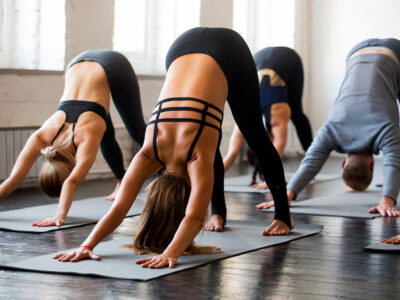
Downward Facing Dog
This pose stretches the back, shoulders, calves, and hamstrings.
Child’s Pose
Child’s pose promotes relaxation and gentle stretching.
Cobra Pose
Cobra pose strengthens the back and opens the chest.
Tree Pose
Tree pose improves balance and concentration.
Cat Cow Stretch
This movement improves spinal flexibility and reduces tension.
Beginners should move slowly and focus on comfort rather than perfection.
The Importance of Breathing in Yoga
Breathing is central to yoga practice.
Controlled breathing techniques help connect movement with awareness while supporting relaxation.
Benefits of mindful breathing include:
- Reduced stress
- Improved concentration
- Better oxygen flow
- Emotional calmness
Shallow breathing is common during stress, and yoga encourages deeper, more intentional breathing patterns.
Yoga and Flexibility Myths
Many people avoid yoga because they believe flexibility is required before starting.
In reality, yoga helps improve flexibility over time.
Beginners often start with limited mobility, and consistent practice gradually increases range of motion and comfort.
Yoga is adaptable and can be modified for different fitness levels and physical abilities.
Yoga for Different Age Groups
Yoga can benefit people across all stages of life.
Yoga for Children
Children may benefit from yoga through improved focus, coordination, and emotional regulation.
Simple yoga activities can also encourage healthy movement habits.
Yoga for Adults
Adults often use yoga for stress management, flexibility, fitness, and posture improvement.
Busy lifestyles make yoga especially valuable for emotional balance and relaxation.
Yoga for Older Adults
Gentle yoga may help seniors improve mobility, balance, flexibility, and joint comfort.
Chair yoga and low-impact classes are popular among older adults.
Yoga and Workplace Wellness
Many office workers experience tension and fatigue from prolonged sitting.
Yoga may help reduce:
- Neck stiffness
- Shoulder tension
- Lower back pain
- Mental fatigue
Short workplace yoga routines can improve focus and energy throughout the day.
Common Mistakes Beginners Should Avoid
Starting yoga safely and realistically is important.
Comparing Yourself to Others
Yoga is a personal practice, and progress varies between individuals.
Pushing Too Hard
Overstretching may cause discomfort or injury.
Yoga should feel challenging but not painful.
Ignoring Breathing
Breathing is just as important as physical movement during yoga practice.
Inconsistent Practice
Consistency matters more than intensity.
Short regular sessions are often more beneficial than occasional long workouts.
Creating a Daily Yoga Routine
A sustainable yoga routine does not need to be complicated.
Helpful tips include:
- Start with short sessions
- Practice consistently
- Use beginner-friendly videos or classes
- Create a quiet environment
- Focus on gradual improvement
Even 10 to 20 minutes daily may provide noticeable benefits over time.
Yoga and Overall Lifestyle Balance
Yoga often encourages healthier lifestyle habits beyond physical exercise.
Many practitioners become more mindful about:
- Stress management
- Sleep quality
- Nutrition
- Emotional well-being
- Physical activity
Yoga promotes balance rather than perfection.
Safety Tips for Yoga Practice
Although yoga is generally safe, proper technique and awareness are important.
Safety recommendations include:
- Warming up gently
- Avoiding painful movements
- Staying hydrated
- Modifying poses when necessary
- Consulting healthcare professionals for medical concerns
Listening to the body helps reduce injury risk.
Long Term Benefits of Yoga
Consistent yoga practice may contribute to long-term physical and emotional wellness.
Potential long-term benefits include:
- Better flexibility
- Improved posture
- Reduced stress
- Enhanced mobility
- Stronger muscles
- Better balance
- Improved emotional resilience
Yoga can become a lifelong wellness practice supporting both body and mind.
Conclusion
Yoga is a powerful practice that supports physical health, mental clarity, emotional balance, and overall well-being. By combining movement, breathing, mindfulness, and relaxation, yoga offers benefits that extend far beyond traditional exercise.
Whether practiced for flexibility, stress relief, strength, or relaxation, yoga can be adapted to suit people of all ages and experience levels. Consistent practice may improve posture, reduce tension, increase body awareness, and support healthier lifestyle habits.
The beauty of yoga lies in its accessibility and flexibility. A simple daily practice can create meaningful improvements in physical comfort, emotional stability, and long-term wellness over time.
FAQ
1. How often should beginners practice yoga?
Beginners can benefit from practicing yoga two to four times per week, gradually increasing frequency as comfort and confidence improve.
2. Can yoga help with stress management?
Yes, yoga may reduce stress by encouraging relaxation, controlled breathing, and mindfulness.
3. Is yoga considered a workout?
Some styles of yoga provide significant physical exercise by improving strength, flexibility, balance, and endurance.
4. Do I need to be flexible before starting yoga?
No, flexibility is not required to begin yoga. Regular practice gradually improves mobility and flexibility over time.
5. Can yoga improve posture?
Yes, yoga strengthens muscles that support spinal alignment and increases body awareness, which may improve posture.
6. Is yoga safe for older adults?
Many forms of gentle yoga are safe for older adults when adapted to individual abilities and health conditions.
7. What is the best time of day to practice yoga?
Yoga can be practiced in the morning, afternoon, or evening depending on personal schedules and goals.







Comments